
If every player has fun, then they will come back.
Too many
A room has too many players if there are:
- players standing around with nothing to do (if you have nothing to do you should re-search the room)
- tight spaces that can’t fit the whole team, and thus players are missing out
Too Few
A room has too few players if there are:
- too many puzzles for the players to complete in the time allowed
- physically interactive puzzles that take more hands, weight, or force than team has to offer
Money
The more players you can fit in a room, the more money you can earn. If you charge by the player, an extra head is extra cash.
If you overstuff your game, then this is short term cash because players who don’t get to participate won’t have fun, and won’t return.
Long term, extra players = less money.
Risk
Communication breaks down exponentially as a function of team size. Be aware of this as you design.
The more players, the more risk the players take on as a team.
Funneling Puzzles
In my experience, the typical game starts with a lot of puzzles that converge so that fewer puzzles happen simultaneously, ultimately culminating in one final puzzle.
Escapistto calls this funneling “path-based” and compares it to the “sequential” design in this post, where he discusses the advantages and disadvantages of each approach. One of his considerations is team size, and teams of non-ideal size.
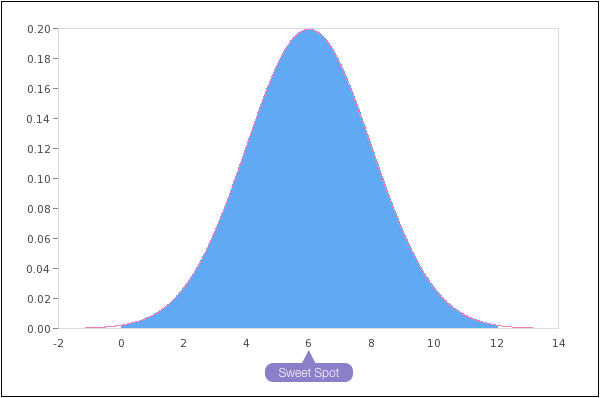
For the funneling, or path-based approach, that I see most often, and most enjoy: Design your room so that at the start, there are more puzzles happening than players to do them. Then you hit the sweet spot where everyone is busy and everything is in progress.
This means that different players have had different experiences in the room and will have different knowledge to contribute to the final puzzle.
As you approach the end of the game, your players should all experience the final puzzles unfold, even if they aren’t actually touching the clues or puzzles. Create an ending where there is space for everyone to stand and appropriate lighting. You want all the players to experience the climactic moments of the game.
Not every game funnels this way, but regardless of the structure of your game, consider each player’s ability to participate.
Sweet Spot
In my experience, 4-8 players is optimal. But it really depends on your game.


![Escape Hour Austin – Edison vs. Tesla [Review]](https://roomescapeartist.com/wp-content/uploads/2026/03/escape-hour-austin-edison-vs-tesla-1.jpg)



Leave a Reply