
It’s that time of year again—actually, it’s a month earlier this year, but the 2024 Interactive Fiction Competition (aka IFComp) is open for judging! The competition is celebrating its 30th year, and the list of entries includes an array of 67 lovingly constructed text-based games from independent designers and authors. Every year I look forward to seeing what kind of innovation, emotion, and wild creative ideas are in the mix, and this year’s lineup has been consistently surprising and entertaining as usual.
Another thing I enjoy about IFComp is that the games are judged by the public: anyone who signs up and rates at least five entries before October 15 will have their ratings included in the final rankings. Judging is fun, easy, and very much appreciated by the authors and organizers.

Whether you’re interested in judging or just curious about what’s on the list, here are a few recommendations from among the puzzle-oriented games I’ve played so far—all of which are available to play for free via web browser now.
The Den, by Ben Jackson

In The Den, you play as two teenagers searching for the truth behind the facility where they’ve been isolated together for their entire lives. Even without graphics, the collaborative investigation and inventory puzzles feel reminiscent of a split-team escape room—just one that you play by yourself. The gameplay is smooth, from navigating the facility to hacking computers via a certain familiar word puzzle, and the expert deployment of sensory detail, mystery, and suspense makes it easy to get absorbed in the story. It takes a couple hours to complete the game, especially if you decide to rewind and check out some of the other endings.
The Bat, by Chandler Groover
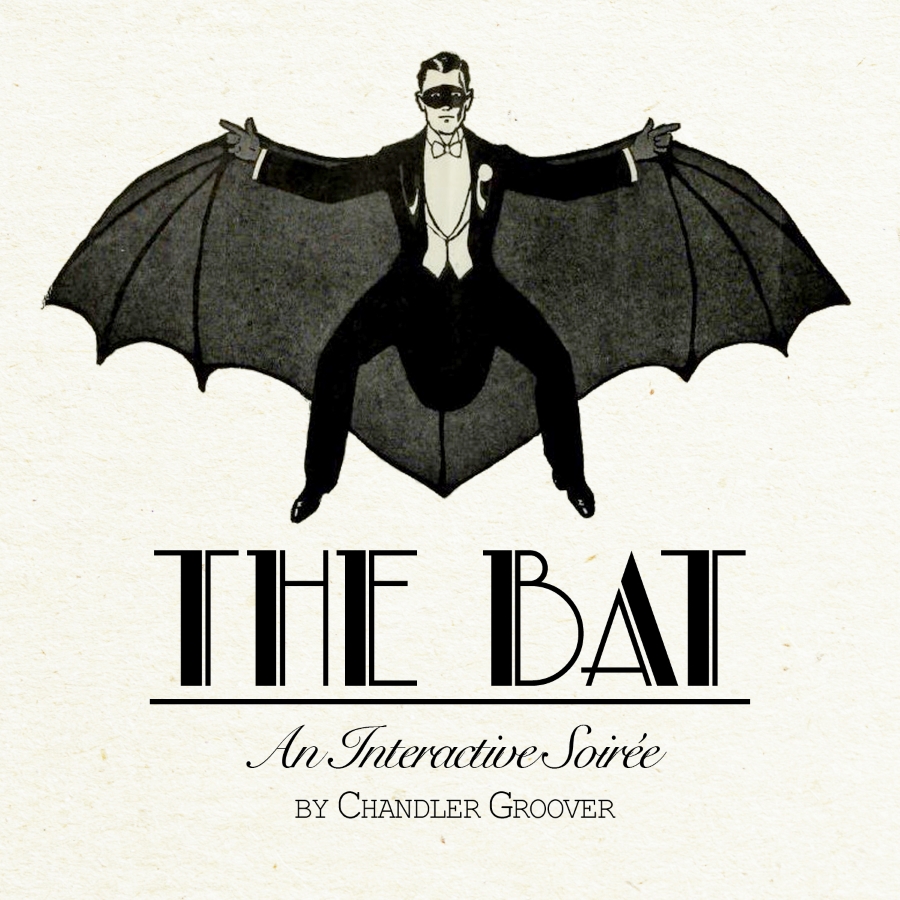
This game has one of the more off-the-wall concepts of the competition: you play as a servant of the socialite Bryce Wyatt, who makes your job harder at every turn with his literally batlike behavior. Yes, literally—you are greeting party guests and serving drinks while also attempting to keep Master Bryce from roosting on the chandelier. The Bat is a text parser game, but you don’t need to worry about which commands to type, because there’s only one basic action verb: “attend to.” The gameplay is frantic but deftly designed, and the writing is taut and clever, sometimes suggestive but always proper as befits your character’s station. It took me less than two hours to complete, and it would be a great intro for people new to parser-based games.
You, by Carter X Gwertzman

In this half-hour text-based exploration, you traverse a dreamlike world full of surreal characters and obstacles to search for your missing self. The abstract story serves as a basis for its unique gameplay, which relies on font colors and styling as a puzzle mechanic. (For people using screen readers, there’s an option to include additional description.) By changing the style of the “you” pronouns in the game’s text, you can make progress in different areas—an interesting way of exploring the themes of identity and outward presentation.
An Account of Your Visit to the Enchanted House & What You Found There, by Mandy Benanav

The title really says it all, but here’s a slightly longer version: you’ve received a mysterious invitation and must explore a magical house full of strange inhabitants to discover why you were called there. The choice-based format lets you pick between navigation, investigation, conversation, and light puzzle solving, often in the form of fetch quests. There’s quite a bit of reading, but the puzzles give it a point-and-click feel despite being all text. The charming fourth-wall-breaking narrator and quirky characters infuse a ton of personality, and I grew quite attached to the house and its residents over the hour-plus I spent with this spooky yet comforting game.
A few hours later in the day of The Egocentric, by Ola Hansson

This “comedic satire with puzzles” presents itself as a somewhat surreal interactive comic strip featuring a truck driver who moves through the panels while you, as an investigator, make choices from out of frame. I had some trouble getting started until I clicked through to the hints and realized: time loops! Restarting is part of the game, because you will need to try different approaches to make progress. It’s interesting for its unusual point of view and novel gameplay, and easy to try out since one playthrough only takes a few minutes.
The Apothecary’s Assistant, by Allyson Gray

The Apothecary’s Assistant is another take on a cozy magical world, but this time you’re working a whimsical, low-stress job in exchange for payment in acorns. This setup may not sound groundbreaking, but the game does a few interesting things: It syncs with the actual calendar, so you can come back daily to do more tasks—a familiar structure for certain video games, but uncommon in interactive fiction. Eventually, acorns can be exchanged for real-world donations from the author to a list of charities. And most pertinent for our purposes, there are also cryptic crossword clues interspersed throughout. If you’re a fan of them, it’s worth checking in a couple minutes a day for the cryptic clues alone.
Focal Shift, by Fred Snyder

In this parser-based cyberpunk thriller, you sneak around an office building hacking into various machines in order to gather information for a questionable client. It’s a fairly basic and compact spy story, gritty but not too dark, with some nice moments of risk and suspense. But what really hooked me were the hacking sequences, which felt as natural embedded in the narrative as they would alongside my morning Wordle-likes. Overall it took less than an hour to play, and the author has provided a walkthrough if you need a nudge on the hacking puzzles or anything else.
And all the rest…
There are dozens of other games to explore! If you like mysteries, there are plenty to peruse this year, with settings ranging from Antarctica to hyperspace to a British pub. I also want to shout out the very funny choice-based graphical RPG parody Quest for the Teacup of Minor Sentimental Value, which is the perfect example of making “bad endings” so entertaining that players don’t even care about winning.
![Escape Hour Austin – Edison vs. Tesla [Review]](https://roomescapeartist.com/wp-content/uploads/2026/03/escape-hour-austin-edison-vs-tesla-1.jpg)



Leave a Reply