
Escape rooms are memory makers. One fun way to create moments that stick with players is to use environmental effects: practical effects that impact the physical game space.
Designers often use these effects at key moments: entering a new area, solving a major puzzle, or reaching the climax. Because they coincide with meaningful story beats, the players link the sensory change to the emotional moment, thus reinforcing recall.
Multi-sensory engagement strengthens memory; we remember experiences better when multiple senses are involved. These effects don’t just look cool, they engage more of the brain, heighten emotion, and make the experience feel unique, which together solidify the memory.
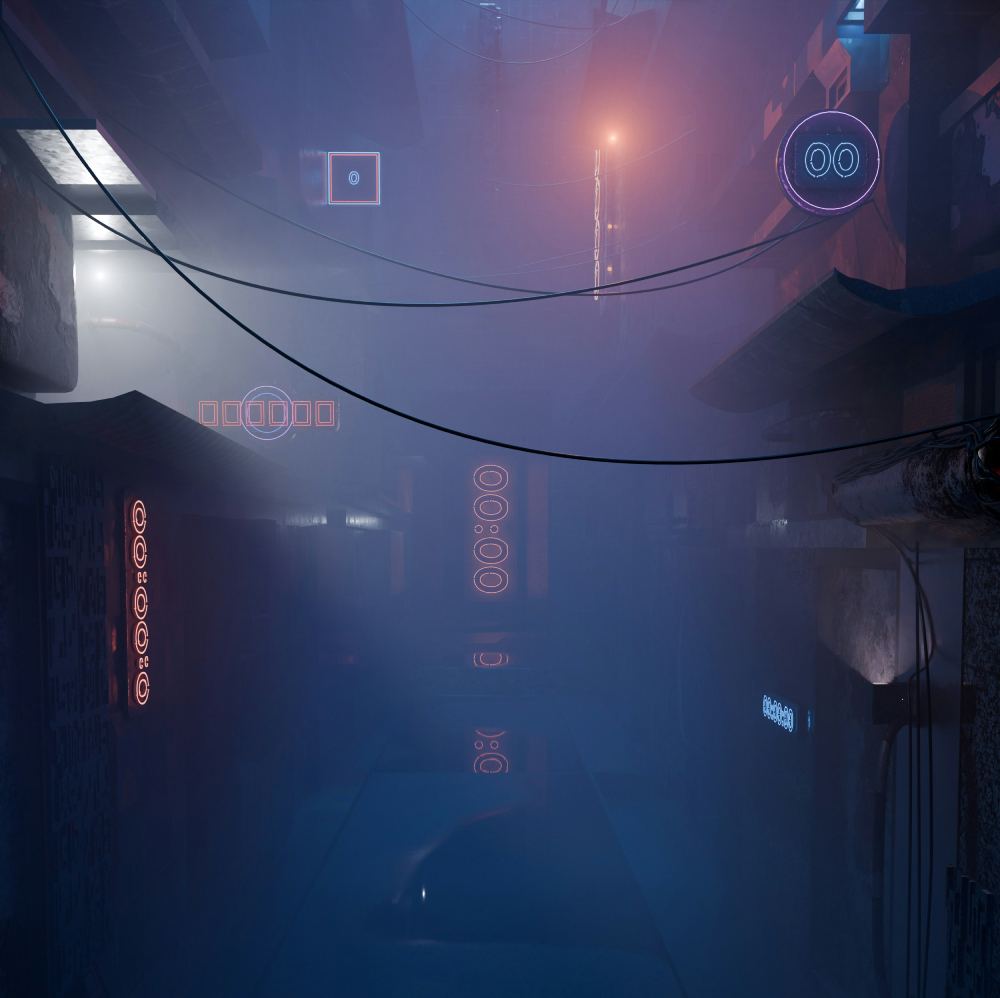
Moving walls, room swaps, and dramatic lighting changes certainly qualify and get a lot of attention, but I want to focus on some other forms of environmental change: more unusual effects like wind, rain, snow, temperature change, scents, and, of course, fog.
In this discussion of lesser used environmental effects, my goal is to showcase their value in creating impact and lasting memories. Some of these are higher cost theatrics, and some are not. They all introduce different risks, which are often worth it because of their ability to wow customers with unforgettable scenes.
Wind
I have been thoroughly impressed with the impact that wind effects have had in some of the games I have played. They can be a low cost and high payoff addition to rooms in a wide variety of themes.
Well placed fans can provide an exciting surprise when used to simulate different kinds of blowing winds.
- When installed in the ceiling and angled down fans can create the swirling vortex of a rising storm by blowing curtains and other light objects about as the twister approaches.
- Hidden in the set walls, a fan can blow papers off a desk as a creaky window pops open in a dark and creepy old house.
- A blast of air can amplify the power of the booming voice of a demon who has just been angered.
- Precise duct work can funnel a gust at players to signify the movement of an unseen phantom.
This effect can be over done. Fans persistently blowing on players can get annoying, especially if important gameplay pieces are repeatedly rustled about the room. Use this effect sparingly for dramatic effect.
Rain
Using water in an escape room is usually thought of as a risky proposition. Having it rain during an escape game is an even more radical concept, but I have seen it done in a few different applications and it is usually astounding.
- A village setting that allows players to duck into a small shop and watch through a window as rain falls on the roofs across the street.
- An outdoor scene where an actor guides players under a dry overhang before he ventures from it to deliver a heart-felt monologue in a courtyard while spot-specific nozzles drench him with rain, making the scene almost movie-like.
- Even an adventure game where a rain storm mists and sprinkles on the whole set while lightning and thunder add difficulty to puzzling and communicating as players traverse through real vegetation.
Water in escape rooms should be treated and sanitized, and significant thought should be put into mitigating the potential risks it brings to players, props, and sets. But if those challenges can be overcome, some amazing effects become possible.
Snow
Getting snowed upon inside an escape room can make the adventure feel that much more magical. This is probably one of my favorite environmental effects, especially when done on a larger scale. Faux snow has been used in plays, musicals, and other productions for years. It is exciting to see it now appearing in escape rooms. Snow often evokes awe or serenity, creating contrast for other emotional peaks. These heightened emotional state tells your brain: “This moment matters. Remember it.”
Whether it is blown around as players deal with an arctic blizzard or dropped from a high ceiling during a joyous occasion, snow can create a surprising and spectacularly memorable moment for players. Different materials, machines, and formulas can be used to create the substance and the results can be something truly special. Some of the Dry Snow formulas I have encountered are unbelievable in the way they evaporate without leaving much residue.

Temperature Change
Possibly my all-time favorite environmental effect in an escape room was in a small, one-room game that is now closed. It was a “cold case” story where the we were sent in to reopen an old investigation with a supernatural twist. During the game we found notes from a previous detective that mentioned lore telling that the air grows cold when the beast is near.
At around the 50-minute mark we found another mention of this chilling phenomenon. It was only then that we all looked at each other with the shared sudden realization that the room around us had, indeed, become quite a bit colder than when the game began. “It’s really happening!” As you can imagine, the beast soon made their appearance. I will never forget that moment of fun immersion and the respect I had for this company to spend the capital required to cool the room noticeably over the hour of game play.
I’ve also felt the heat from a fireplace in a cozy cottage and taken items out of a metal forge that were still warm to the touch. Even these smaller details go a long way in the memories of players.
Scent
It is impressive just how much environmental scents can add to an escape game experience. The smell of pine wafting through the trees in an outdoor scene, a whiff of exhaust when a car engine turns over, or the reek of wine on the robes of a drunken monk each contribute to the level of realism we all hope to achieve.
The aroma of apple pie means someone was cooking in this kitchen not that long ago. When players can smell a campfire burning, it can help disguise the fact that they are seeing red LEDs under foam logs. That doesn’t matter as much because our brains want to believe what we are smelling is real.
Sunset
Another of my all-time favorite environmental effects happened during a game where players are cast as hikers lost in the woods, seeking a hunting cabin where they could spend the night. Over the course of the game the lighting ever so gradually dimmed from full daylight to pitch black near the end of the hour. This happened so slowly that we didn’t even notice until things became harder to see and read. Only then did we rummage through the backpack we were provided at the start to find a flashlight and lanterns that helped us complete the game as lightning flashes momentarily relit the space from time to time, followed by booming thunder claps that created a great sense of urgency going into the finale.
This very slow fading of simulated daylight worked as the game’s timer and was a tremendously immersive effect for that setting and that storyline. In fact, it is by far my strongest memory of the game.
As fun as this effect can be, it should be mentioned that prolonged play in dimly lit environments can prove to be frustrating for players with aging eyes. So please provide adequate supplemental light sources in your games!
Fog and Haze
The use of theatrical fog is not uncommon in escape rooms, but its impact is such that it still bears mentioning here because of the wide variety of applications and varied effects that result. Fog often adds unsettling mystery or tension, heightening adrenaline and focus. These strong emotions amplify how well we remember events. Strategically placed puffs or an atmospheric haze add a dramatic flare to so many games.
Companies like Lockhill in Athens, Greece are masters at using a near 100% fog level to heighten the sense of pure dread that permeates their rooms. The persistent presence of fog in that fictional village can not be overstated; it is unforgettable.
Yet the spot-on, perfect level of haze that drifted through an abandoned office in THE ENDings from Strange Bird Immersive evoked a feeling of a calm other-worldlyness, the opposite of dread. Fog can also be used to signify a fire igniting, or a bubbling witch’s cauldron, or a steam train preparing to leave the station. It can even become a medium on which projected images appear.
Fog, haze, and even snow effects have the potential for producing breathing complications for some guests, so appropriate warnings should be publicly available before playing.
Magical Memories
Escape rooms rely on narrative immersion. When you smell a familiar scent, or see fog rolling in or snow gently falling, your brain accepts the setting as a bit more “real.” This reduces the gap between fiction and reality, pulling players deeper into the story world. Emotional and imaginative engagement triggers stronger encoding of memories.
The examples above are the things I tend to remember, and are the types of environmental effects that can cause players to talk about escape rooms long after they leave the building. What sorts of things do you remember? If you are creating escape rooms, what effects are you going to include that might resonate in the minds of your customers?
![TR-49 [Hivemind Review]](https://roomescapeartist.com/wp-content/uploads/2026/02/tr-49-tr-49-1.jpg)

![Escape Hour Austin – Edison vs. Tesla [Review]](https://roomescapeartist.com/wp-content/uploads/2026/03/escape-hour-austin-edison-vs-tesla-1.jpg)

Leave a Reply