
“Everyone has something to hide.”
You’ve known these people for years. You trust them completely. Or at least you thought you did, until all your friends started lying to your face, and one of them is a killer. This is jubensha, where everyone has something to hide.
What Is Jubensha?
Jubensha (pronounced roughly “jyoo-ben-SHAH”) translates literally as “script murder.” It’s a role-playing murder mystery game in which each player receives a detailed character script and while role-playing as a character, works collaboratively to uncover the truth behind a central crime. Meanwhile one player (or possibly several) must conceal their crimes and gaslight their friends.
This format emerged in China around 2013 and has since become a full-blown cultural sensation. It’s spread across Asia, and has slowly begun making inroads into the Western market. Apparently people everywhere enjoy discovering that their friends are excellent liars and murderous killers.
People Make Games has an excellent video that drove a lot of excitement about jubensha.
Jubensha is what you get when you combine the deductive and pattern recognition elements of an escape room, the improv of larps, the intriguing storytelling of immersive theater, and the hidden role aspect of social deduction games. Jubensha is a game full of dark, juicy secrets, hidden motives, and enough interpersonal drama to power three seasons of prestige television.
How Does Jubensha Work?
At its core, jubensha games are structured around a central script. Typically, each player receives a booklet with their character’s background, relationships, timeline of events, secrets, and hidden objectives. Most games last anywhere from 3-6 hours.

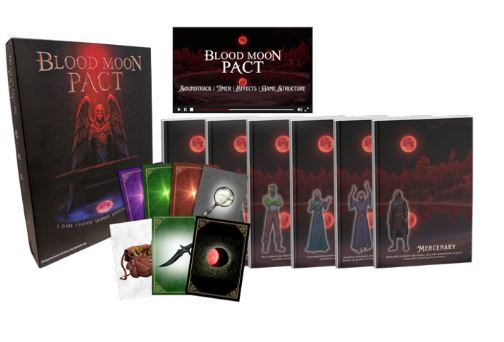
For most english language games, you can purchase a boxed game to play at home. In this case, someone in the group will have to act as the gamemaster and read through all the material so they can answer questions. Many of these same box games are also available to play at a game studio where a gamemaster will host the game for you. Typically, you’ll pay per player.
The type of environment differs wildly from venue to venue. Some are extremely immersive with costumes and detailed sets, while others are bare rooms with minimal props and poorly trained gamemasters. In that regard, it’s remarkably similar to the escape room industry.
A Typical Session Unfolds in Rounds:
Choosing Your Character: The game usually starts off with a light introduction of each character, their age, gender, and occupation. Players can typically choose which character they feel drawn to. You won’t know if you’re the killer until you start reading your script.

Reading Phase & Intro: For most in-studio games, there’s no at-home prep work required. Everyone begins by silently reading their scripts. Good scripts are rich, layered, and full of deliberate misdirection. This means that jubensha plots and characters have a lot of depth, but it also means a lot of reading. Don’t be surprised if the first 20-30 minutes of a game are devoted to setup and reading. Take a moment to enjoy the quiet, because it’s probably the last time you’ll be sure of anything for a while.
The first round usually starts with players introducing themselves as their character and sharing their timeline of events.
Discussion Phase: Players will then have the opportunity to question each other, and have a discussion about noteworthy points of interest. Even if your character isn’t the culprit, typically every character has a secret to protect, and hidden objectives to figure out.
Evidence Phase: Clues, documents, and props are introduced. This can range from “items found” represented by a card to physical props or exploring the environment. This is where the escape-room elements kick in. You’re examining materials, piecing together timelines, and looking for inconsistencies. Some games give you the option to either share or conceal evidence. Either way, make sure to twist the evidence to suit your own agenda!
Accusation Phase: A typical game will repeat the first three phases a few times before the accusation phase. Players make their final deductions and vote on who they believe is the killer. The host then reveals the truth, often with a dramatic narrative conclusion.
What Makes Jubensha So Compelling?
Each role feels like the main character of their own story: In jubensha, just about every character gets a fully fleshed out story and interlocking relationships with the other characters. Every player feels relevant to the story.

Soap Opera Storylines: The narrative often reads like a soap opera, with twists and turns and intersecting storylines. Typically each character has a juicy secret and hidden relationships with other characters in the story. Your job as the player is to untwist the stories, follow each thread, and ultimately figure out the full story and timeline of each character.
Do you love salacious gossip? Jubensha offers a chance to indulge in lurid detail within a fictional setting. Expect secret affairs, long-buried grudges, supernatural forces, and enough family dysfunction to keep several therapists fully employed.
Taboo Content: Many jubensha, especially from the Chinese market, can contain taboo content ranging from horrific murders (of course), to sexual assault, domestic violence, and even animal cruelty. This content isn’t for the faint of heart. But neither are true crime podcasts. Humans have a complicated relationship with deeply uncomfortable subject matter.
Rewarding Gameplay… (Sometimes*): Beyond the intriguing narrative, there is a logical path to finding the killer. The path may be winding. Oftentimes, multiple people have attempted the murder, but only one character’s murderous plot was successful. Sifting through the evidence and matching up the timeline of events rewards those who paid attention.
*Caveat There are a lot of factors when it comes to a successful solve. Maybe your killer was exceptionally good at deceiving the group. There’s also an element of RNG (randomness) where the killer might be the one who receives a crucial piece of evidence and conceals it from the group. (Why no, I’m not bitter at this happening in a previous game!)
Different Game Structures: While this article talks about the “typical” game, many jubensha are written with slightly different types of game formats. Some have physical props, while others might not have any scripts at all, and only give you flashcards. The different formats keep each game feeling fresh.
What Makes Jubensha Different?
Player Agency: When most people think of interactive murder mystery, they’re probably thinking of dinner parties, where there are actors playing the main characters, and the audience is mostly there to watch the action unfold. In jubensha, the players direct all the action, and they’re playing all the roles. Because games are small, typically under 10 people, everyone has a chance to participate fully.
Structured Play: Sometimes, larp (live action roleplay) can feel too open ended. Jubensha gives you enough structure that you don’t have to wonder, “Wait, am I roleplaying correctly?” In jubensha, I appreciate being given a fully formed character that I can inhabit, and there are guardrails because my story is already written.
Depth of Content: The typical jubensha game lasts anywhere from 3-6 hours. The story is given room to breathe. It’s very satisfying to sift through a mountain of clues and slowly synthesize them into a coherent theory. Technically, the goal of a jubensha is the same as a murder mystery—figure out the killer. However, the fun of the game is figuring out each character’s hidden secrets and the story we collectively discovered.
What to Know Before You Play
Jubensha is Collaborative Storytelling: At its core, the joy of playing a jubensha is in unraveling a mystery together with your friends. There is an art to figuring out the best time to reveal your character’s secret (if you’re not the killer). Revealing your secrets too early ruins the suspense, and revealing too late can cause frustration, stymying your group’s effort to deduce the killer. Ideally, you’ll reveal your secrets at the perfect moment for maximum dramatic effect.
Commit to Your Character: The players who get the most out of jubensha are the ones willing to be a little uncomfortable. Try to step into your character. Argue their position, defend their secrets, and find co-conspirators. You don’t need to be an actor, but you need to be a willing participant. After all, the only thing better than gaslighting your friends is doing it with flair and a bizarre accent.
Don’t Rush the Reading Phase: I know, everyone hates reading. You’ll want to skim, but fight the urge. It’s important that you really understand your character and their timeline of events. During gameplay, it’s better to avoid referring to the script, and you definitely don’t want to read anything verbatim from it. (This can be unfair to the killer, who must lie.)
Check the Content Warnings: It’s worth noting again that some jubensha, especially those translated from Chinese games, can often contain mature, graphic, and controversial content. When in doubt, email the publisher or ask the gamemaster ahead of time. Make sure to check with everyone playing that they are ok with the content of the game.
Plan Your Evening Accordingly: Jubensha can take a seriously large chunk of time. Whether you’re playing at home or at a game studio, make sure you have drinks and snacks. Block out enough time, and wear comfortable clothing. Bonus points if you show up in costume and in character!
Is Jubensha for You?
Does an evening playing make-believe with friends and arguing over who’s guilty sound like fun? Do you love clutching your proverbial pearls at a particularly lurid piece of fictional gossip and working together to untangle the twisted threads of a complex storyline? If you’re looking for an opportunity to hone your killer instincts, then consider trying jubensha.
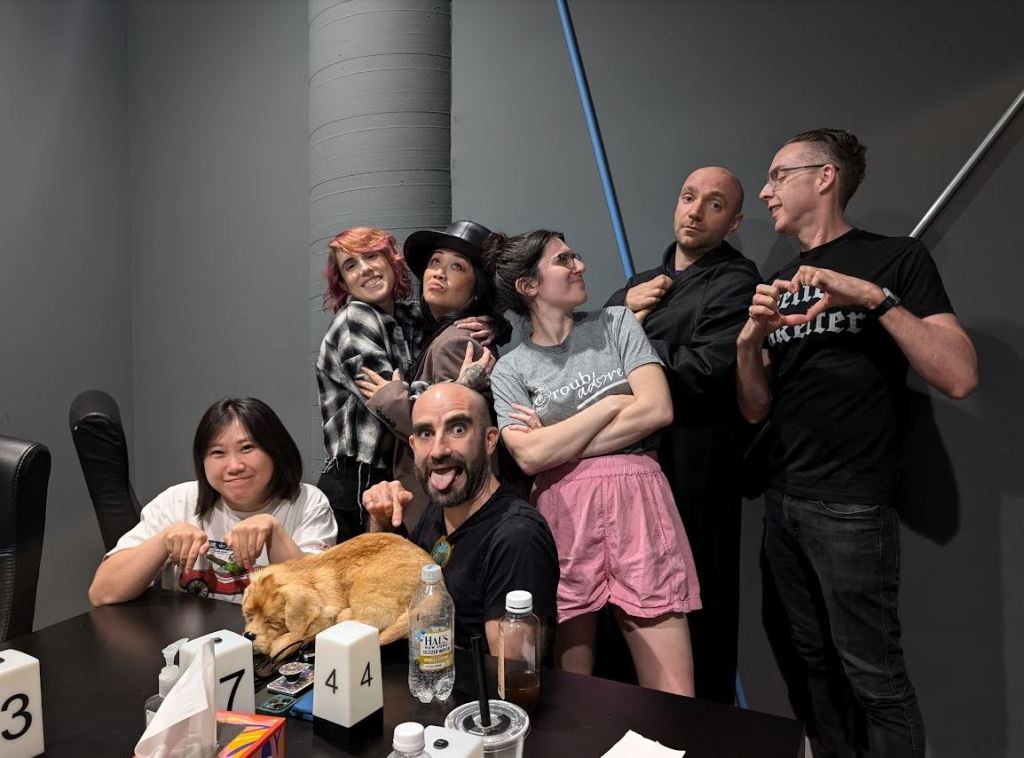
But if the thought of lying to your friends or encountering potentially triggering content sends you into a panic, your princess is in another tower.
There’s also potentially some frustration when the story doesn’t unfold as written, or your friends withheld (or just plain forgot) some crucial information. Jubensha isn’t a perfect format, but it is exciting and enthralling and lets you step into another life for an evening.
We have some upcoming reviews of different types of jubensha that hopefully can help intrigued players find the right game. Let us know in the comments if you have additional questions, or if you’ve played jubensha and have anything to add.
![👑 🔒 Revo Escape – The Tomb: Raiders of the Sword [Review]](https://roomescapeartist.com/wp-content/uploads/2026/07/the-tomb-the-tomb-3-1.jpg)


![Great Gotham Challenge MMXXVI [Hivemind Review]](https://roomescapeartist.com/wp-content/uploads/2026/10/GGC-2026-1.jpg)
Leave a Reply