
The House on the Hill at Lockhill in Athens, Greece, is something different. It is art. It is connection, relevance, poetry, meaning, depth, weight, all contained inside a big Athens-style horror escape room.
It is like nothing I’ve seen before. Things have changed. I am changed. The medium has changed.
With a narrative style that introduces something unique to the industry, The House on the Hill stands to redefine possibilities for escape rooms by opening new doors and showing what is possible with a new approach.
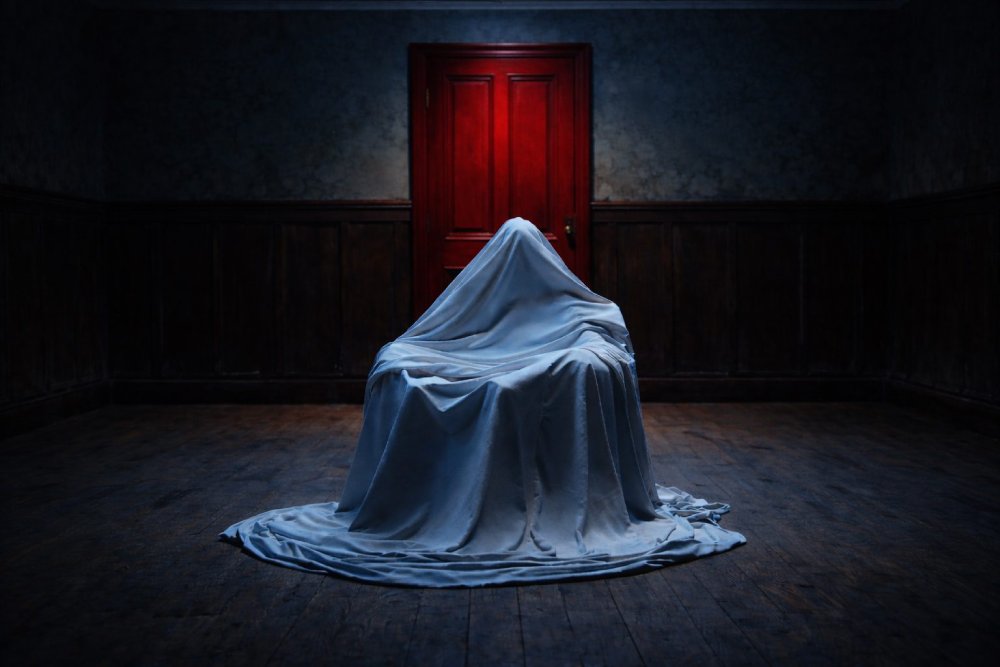
Empathy Through Experience
There are normal escape rooms, and then there are experiences that stay with you long after you’ve left the building. The House on the Hill belongs firmly in the latter category, and my view on escape rooms may never quite be the same for it.
All of this is primarily the result of the way The House on the Hill utilizes the escape room format better than almost anything that has come before. The embodied nature of escape rooms creates empathy through experience in a way passive media can’t. Lockhill realizes the power of the medium as private, small-group, interactive theater. It is escape theater. Where we are playing a game but we are also players in the Shakespearean sense, engaging in the performance.
This game is a master class in using this interactivity as a feature, not a gimmick. By forcing players to engage with the characters, engage with the space, and to perform certain tasks, it sends home messages about the relevant themes, actions, and consequences. I have never thought more about my own life while playing an escape room.
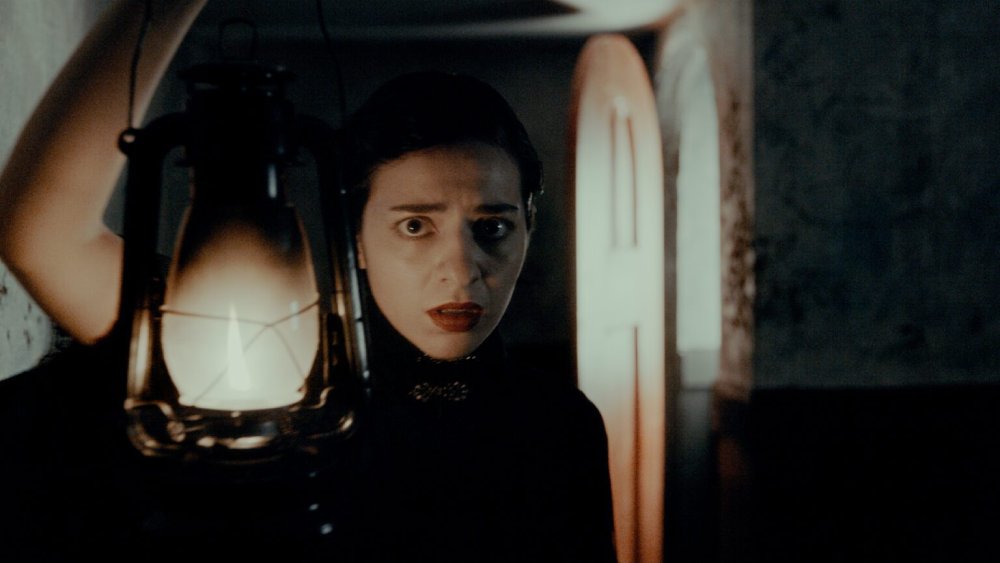
We See Us
It is a game about William Hill, and his family, but because of the way it is designed, it is also about me, and it is about you. As we play it, it becomes about each of us individually. You’re exploring the family home where William grew up, but the home is really a vessel for something far more intimate. Creator Bill Dalitsikas has woven the entire experience around symbolism, building the story around its metaphors rather than tacking them on afterward.
The weight you feel around you, it’s atmospheric, heavy, deliberate, and deeply intentional. This is a room built not for cheap thrills, but to mean something. What we must face develops alongside us, beginning small and almost hesitant before growing into something genuinely terrifying. Not through spectacle, but through earned dread. This is psychological horror at its most effective, building slowly until it becomes that which we fear most.
What stays with audiences most isn’t the fear though, but the emotion underneath it. What sits at the center of this story is bold and unashamed. That choice, to place something so raw and universal at the heart of a horror experience is what elevates The House on the Hill from a very good escape room into a genuine work of art. Art that has its own reason for existing.
Dalitsikas mentions in an interview with Escapades.gr here:
“Over the years, I’ve come to value designing around a broader range of emotions, not just adrenaline. It’s harder and certainly riskier, but when it works, it’s incredibly rewarding. It creates a deeper connection and leaves something that lingers beyond the experience itself. The adrenaline wears off quickly. The meaning doesn’t.”
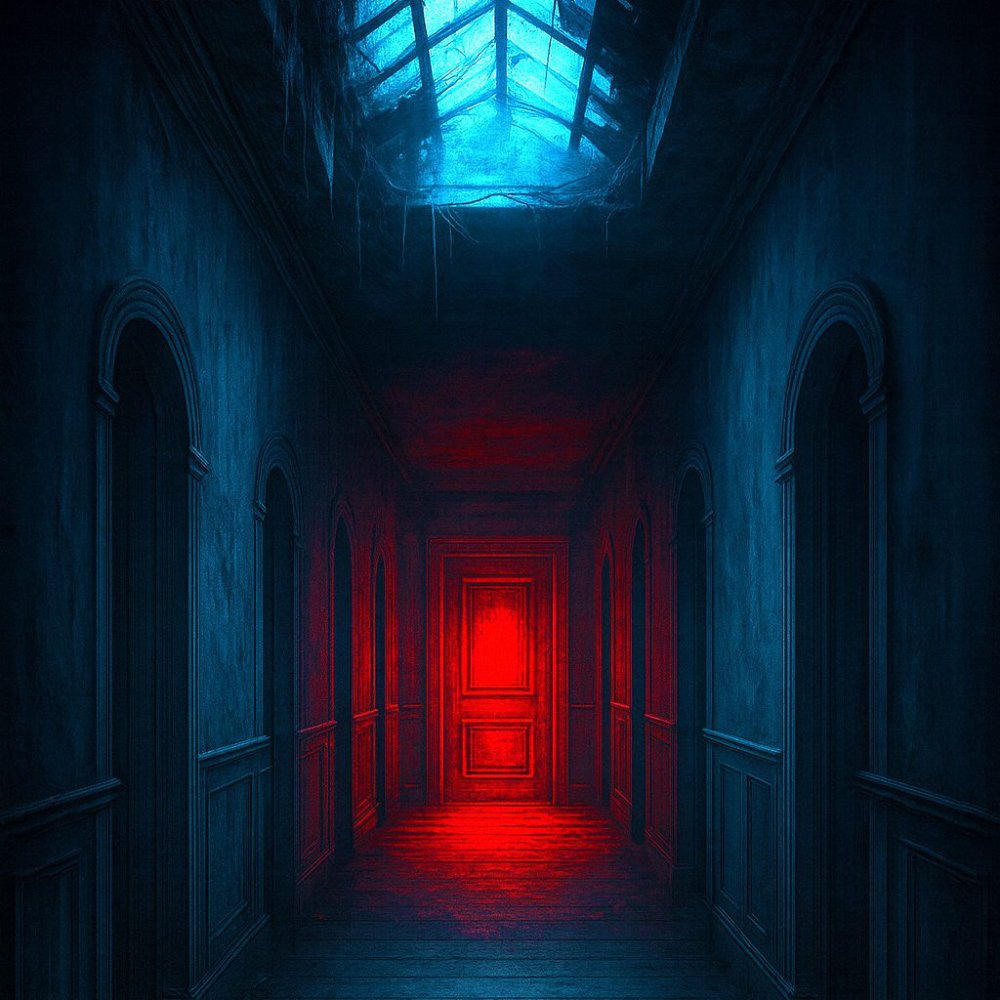
Buyer Beware
This isn’t a room for everyone, but it was built to speak to those people who will understand its message. It deals with difficult subjects and doesn’t soften them. For those who open themselves to it, the experience offers something rare. It is a chance to stand inside a story that reflects your own interior world back at you, and to feel genuinely moved by it, and to learn from it.
As an industry, escape rooms are maturing. The House on the Hill may be the latest signal of where they might be headed: not just games to be won or completed, but stories to be experienced. Stories about human characters and thus stories about ourselves, through a medium, coming into its own.


![Paradiso Escape Room – Project DCrisis (Proyecto DCrisis) [Review]](https://roomescapeartist.com/wp-content/uploads/2026/09/project-dcrisis-project-dcrisis-3.jpg)
![Secret City – Where Dark Things Dwell [Review]](https://roomescapeartist.com/wp-content/uploads/2026/07/where-dark-things-dwell-where-dark-things-dwell-2.jpg)

![EscapeTheRoom.cz – Escape Bar [Review]](https://roomescapeartist.com/wp-content/uploads/2026/06/escapetheroom-cz-escape-bar.jpg)
Leave a Reply